About the Committee
About the Committee
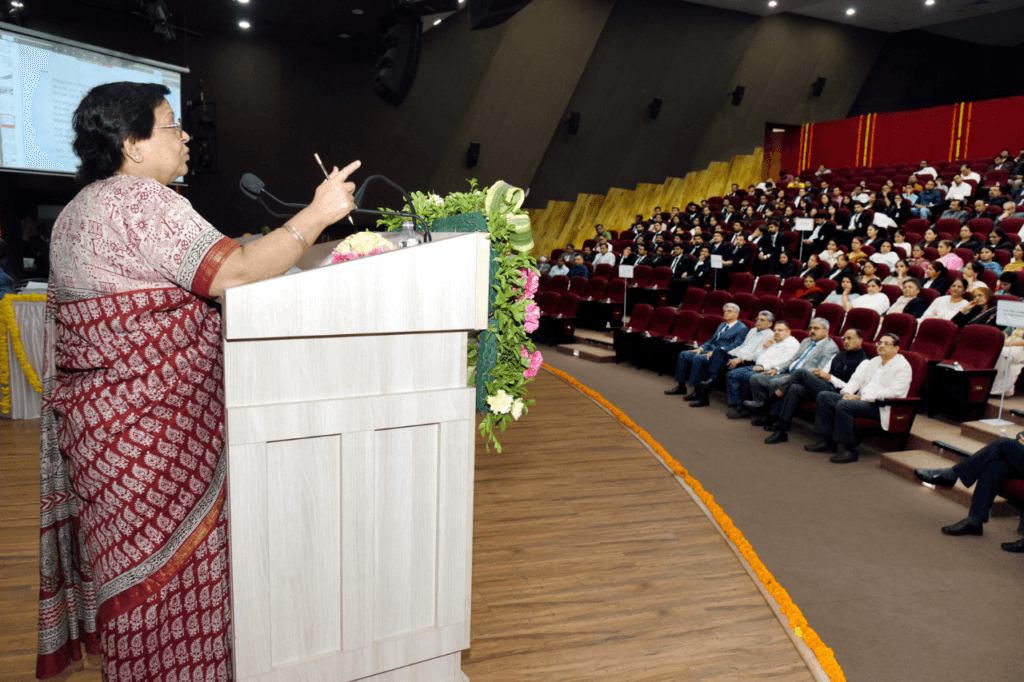
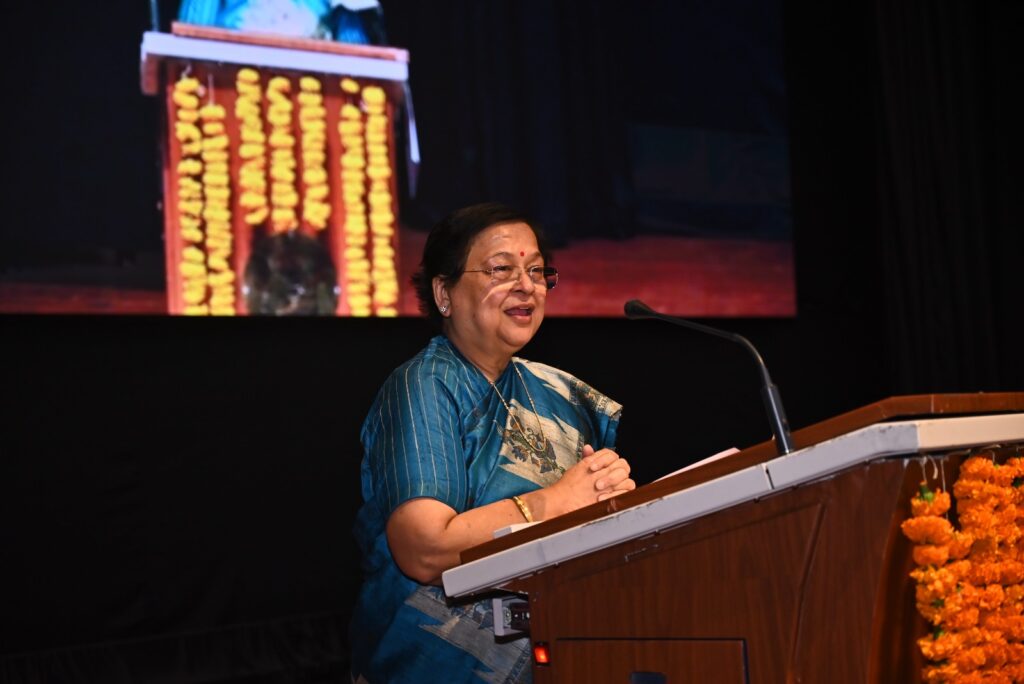
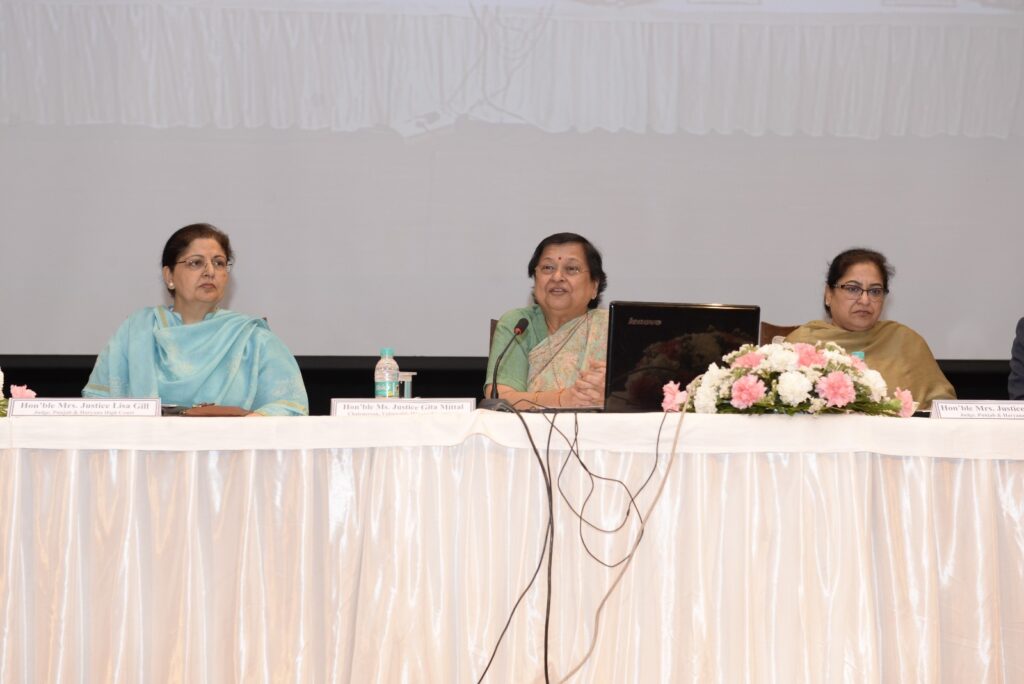
Justice Gita Mittal pioneered the conceptualization and implementation of the Vulnerable Witness Courtroom Project in India. In the landmark judgment of Virender v. State (NCT of Delhi), Justice Mittal comprehensively examined the challenges and limitations associated with the recording of evidence of vulnerable witnesses, particularly children and victims of sexual offences. Recognizing the need for a victim-centric and trauma-informed judicial process, she laid the foundation for establishing specialized courtrooms designed to facilitate the recording of evidence in a safe, child-friendly, and non-intimidating environment.
Pursuant to her vision and sustained efforts, the first Vulnerable Witness Courtroom in India was inaugurated on 16 September 2012 at the Karkardooma Courts Complex, New Delhi. The project has since become a model for judicial infrastructure aimed at minimizing secondary victimization while ensuring the integrity of the trial process.
Justice Mittal’s pioneering initiative has received significant judicial recognition and endorsement from the Supreme Court of India. The Court has acknowledged and built upon the framework evolved through her efforts in several landmark decisions, including State of Maharashtra v. Bandu @ Daulat (2018), Mahender Chawla v. Union of India (2019), and Smruti Tukaram Badade v. State of Maharashtra (2022). In Smruti Tukaram Badade, the Supreme Court constituted the Vulnerable Witness Committee under the Chairpersonship of Justice Gita Mittal to formulate comprehensive guidelines for establishing and standardizing Vulnerable Witness Deposition Centres (VWDCs) across the country, thereby institutionalizing a uniform, victim-centric approach to recording the testimony of vulnerable victims and witnesses in India.